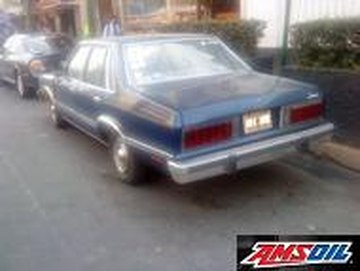
Engine Lubrication and Maintenance for the 1982 Ford FAIRMONT 3.3L
Maintaining a vehicle from the early 1980s requires a shift in perspective compared to modern automotive care. For owners of a 1982 Ford Fairmont equipped with the 3.3L engine, routine service is not just about following a schedule; it is about monitoring the physical condition of aging components and ensuring that lubrication remains effective despite the passage of time.
Monitoring Fluid Integrity and Potential Seepage
As vehicles age, the materials used in gaskets and seals can undergo changes in elasticity. For the 1982 Ford Fairmont, a primary component of regular maintenance is the visual inspection of the engine area for any signs of fluid seepage. Rather than waiting for a significant leak to develop, owners should look for "wet" areas around sealing surfaces or dark, oily residue that has collected dust.
When performing routine checks, it is useful to examine the following:
- Sealing Surfaces: Inspect the areas where major engine components meet to see if any oil is weeping from the junctions.
- Drain Areas: Check the area around the oil drain plug and the underside of the engine for evidence of slow, consistent dripping.
- External Components: Look for signs of fluid migration along the exterior of the engine block or near various mounting points.
If any seepage is identified, it warrants further investigation to determine if a seal is simply aging or if a component requires more immediate attention. Early detection of minor seepage can often prevent more significant lubrication issues down the road.
Observing Changes in Engine Operation
Effective maintenance involves being attentive to how the vehicle behaves during operation. Because symptoms can have multiple underlying causes, any change in the engine's behavior should be treated as a signal to investigate rather than an immediate diagnosis of a specific part failure.
Owners should remain alert to several indicators:
- Changes in Lubricant Appearance: If the oil appears significantly darker or has a different consistency than usual during a check, it may indicate changes in how the lubricant is interacting with the engine environment.
- Unusual Noises: Any new mechanical sounds that coincide with engine operation should be noted and inspected.
- Exhaust Observations: While exhaust color can be influenced by many factors, any noticeable change in smoke characteristics may indicate that something is entering the combustion process that should not be there.
- Warning Indicators: Any dashboard lights related to oil or engine temperature require immediate attention to prevent potential damage.
It is important to remember that a single symptom, such as an odor or a sound, does not point to one specific failed component. Instead, these signs serve as prompts for a more thorough mechanical inspection.
Prioritizing Long-Term Engine Care
For a 1982 Ford Fairmont, long-term ownership is most successful when maintenance is approached based on the actual condition of the vehicle rather than just its age. If you are stepping into ownership of this vehicle without a complete service history, establishing a baseline is an excellent first step.
To establish this baseline, begin by documenting all recent fluid changes, filter replacements, and any repairs that have been performed. If records are unavailable, performing a comprehensive inspection of all fluids and belts (if equipped) can help you understand the current state of the engine. Once a baseline is established, you can more easily identify when something has changed.
When deciding how to prioritize tasks, address active concerns first. An active leak or a noticeable change in fluid consumption should take precedence over general preventive measures. As the vehicle continues to age, your focus may shift from routine replacements to monitoring the integrity of aging materials like hoses and electrical connections. Keeping a detailed log of these observations will assist in making informed decisions about whether a component needs simple monitoring or more definitive service.
Managing Aging Engine Components
Beyond lubrication, other parts of the engine compartment require periodic attention. For an engine from this era, inspecting age-sensitive components is a practical way to prevent unexpected downtime.
If equipped, inspect accessible drive belts for signs of deterioration such as cracking, glazing, or fraying. Similarly, if the vehicle has various rubber hoses present, check them for softness, brittleness, or bulging. Electrical connections and wiring should also be inspected for any signs of corrosion or insulation wear that could affect engine performance. Even if these components appear functional, a regular visual check ensures that you are not caught off guard by a component that has reached the end of its service life.
Practical Steps for Selecting Lubricants
Selecting the correct oil is vital for the continued operation of the 3.3L engine. While modern technology offers many options, including synthetic and high-mileage formulations, the choice must always be guided by the specific requirements of your application.
Some owners may consider high-mileage oil formulations, which often contain additives intended for use in aging engines. These formulations sometimes include seal-conditioning additives that can help manage the behavior of older seals. However, the decision to use a conventional, synthetic blend, or full synthetic oil should be based on the specific application data provided for your vehicle.
When you are ready to perform service, always verify the product labeling to ensure it meets the necessary quality standards and certifications required for your engine's operation. Avoid making assumptions about what a vehicle of this age "needs" based solely on its year; instead, rely on the technical information provided for your specific 1982 Ford Fairmont.
Buying Engine Oil for the 1982 Ford FAIRMONT 3.3L
To ensure the best possible care for your engine, you must match the lubricant to the application-specific viscosity and requirements listed on this page. Do not attempt to use a viscosity grade based on general knowledge or similar engines; instead, refer directly to the vehicle-specific oil viscosity information displayed in the application data above. When purchasing, check that the container is properly sealed and that the API certification matches the standards required for your engine's service needs. By following the specific guidance provided in the technical specifications of this page, you can ensure that your 1982 Ford Fairmont receives the correct lubrication for its unique requirements.